



Understanding Metabolic Disease Through the Research of Dr. Fawaz Haj
Fawaz Haj, D.Phil. is a Professor in the Department of Nutrition with a courtesy appointment in the Department of Internal Medicine at UC Davis. He earned his D.Phil. in Physiology from Oxford University, and later spent 7 years as a postdoctoral fellow at Harvard University. Since joining UC Davis as faculty in 2007, Dr. Haj has continued to lead research and teach students.
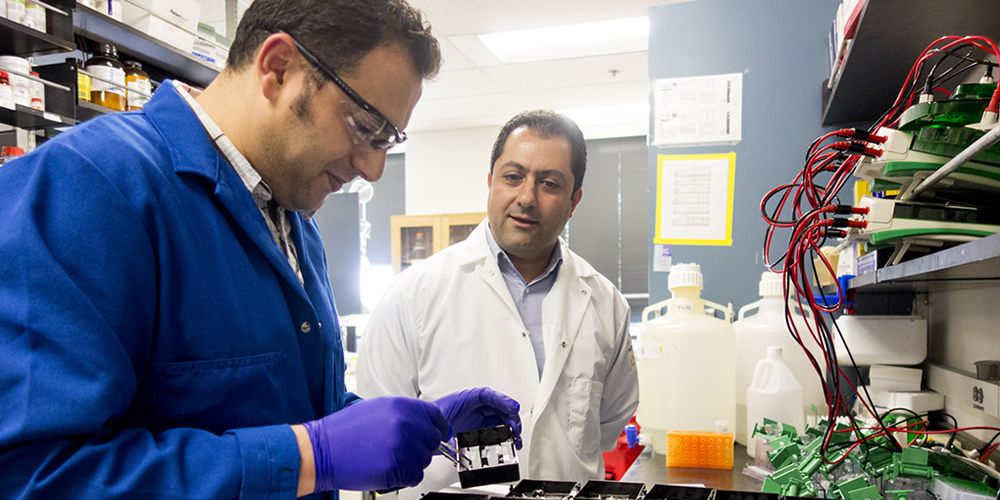
Dr. Haj and his team investigate the molecular basis of metabolic diseases focusing mostly on an aspect of cell signaling pathways involving tyrosine phosphorylation, and desphosphorylation. His research aims to understand what happens in these pathways and how perturbations may contribute to metabolic disease. Ultimately, these findings could be used towards interventions to prevent or treat metabolic disease.
Chronic metabolic diseases remain highly prevalent, and impactful and Dr. Haj believes that there are many areas that should deserve greater attention. His lab is especially interested in type-2 diabetes and its complications, namely diabetic kidney disease. Other areas they want to focus on are fatty liver disease and Alzheimer's. Even though many people don’t consider Alzheimer's a metabolic disease, there is a growing body of evidence that suggests that metabolic deviations may contribute to its development and prognosis.
The Breakthroughs in Protein Tyrosine Phosphates (PTPs) Research
In the body, there is a balance between the kinases and the phosphatases that are responsible for maintaining homeostasis through their activity of pathway regulation. The biggest challenge according to Dr. Haj is the perception that these enzymes (PTPs) were “undruggable.” However, recent breakthroughs have begun to change that view
“The notion that these enzymes are undruggable has hopefully been laid to rest,” Dr. Haj explained.
The field of studying these enzymes has been steadily advancing. More and more studies (pre-clinical animal models) have been showing that targeting these phosphates may have beneficial effects. Recent advances by others in the field have developed methods of inhibition that have specificity. Human clinical trials are underway with these inhibitors and the outcomes are still being evaluated.
What's Next?
Despite recent progress, Dr. Haj says that there is still a lot of work to be done and that the tools for success exist. He emphasized the need for a more detailed mapping of the signaling pathways and improved delivery methods for pharmacological inhibitors into target tissues such as the kidney and liver. He is also interested in exploring how these pharmacological interventions can be used in tandem with other therapies to achieve the best health outcome for the individual.
Dr. Haj says the driving force behind him and other researchers is the sense of discovery. His advice to aspiring scientists: “find something that is interesting, novel, and equally important of impact.”
Beyond his scientific contributions, Dr. Haj is dedicated to mentoring the next generation of researchers. Through both his research and teaching, he hopes to inspire future scientists to continue the pursuit of knowledge that can improve the lives of others.